Orgone Energy Motor™ - Build Your Own Free Energy System

Discover a hands-on DIY project built around the idea that natural energy surrounds us every day. The Orgone Energy Motor kit brings together copper wire, magnets, and basic mechanical parts so you can explore motion and power right from your own workspace.
Whether you are curious about alternative energy or simply enjoy building things with your hands, this guide walks you through each step in plain language. No advanced engineering background is required. Just gather the listed materials, follow the instructions, and experience the satisfaction of creating something meaningful at home.
Complete kit layout showing core components and assembly overview.
What is Orgone Energy Motor?
The Orgone Energy Motor sits at the crossroads of practical building and bold curiosity. It is a compact device designed for home assembly, built from magnets, copper coils, and simple mechanical parts that work together to explore motion in a new way.
The concept draws inspiration from Dr. Wilhelm Reich, who studied what he called orgone energy, a life force he believed existed throughout nature. Modern DIY versions translate that historical idea into a buildable project anyone can try at home.
Instead of relying on fuel, sunlight, or grid power, the motor is designed to interact with ambient energy in its surroundings. Cultures around the world have described similar forces as prana, chi, or vital energy for centuries.
Today, hobbyists recreate the device using affordable hardware store materials. The process encourages self reliance, creative thinking, and a deeper connection to how energy might move through the world around us.
While orgone energy is not recognized by mainstream science, thousands of builders find value in the experience itself. Assembling and testing the motor offers hands on learning, sparks genuine curiosity, and opens the door to questions about energy that conventional textbooks rarely address.
For many people, that sense of discovery is the real reward. The motor becomes a personal project that blends craftsmanship with an open minded approach to what might still be possible.
How Does It Works?
The Orgone Energy Motor works by bringing together carefully placed magnets, copper coils, and a balanced rotor stator setup. When assembled correctly, these parts create a persistent magnetic imbalance that keeps the central wheel turning with minimal outside input.
Supporters describe this as channeling ambient energy from the environment into steady mechanical motion. The layout guides that force in one direction, producing rotation you can observe and measure during testing.
What makes the project approachable is its simplicity. You do not need a workshop full of expensive equipment or years of technical training. The blueprints break every step into clear instructions using parts available at most hardware and electronics stores.
The focus is on resonance and alignment. When coils, magnets, and frame components sit in the right positions, the device responds to natural electromagnetic patterns already present in its surroundings. Builders often compare the effect to tuning an instrument until everything clicks into place.
Results vary based on materials, humidity, and build accuracy, which is why the guide includes testing and adjustment tips. Even when output is modest, the learning experience remains valuable. You gain practical skills, a working model to experiment with, and a fresh perspective on how motion and energy interact in everyday life.
For many households, the motor represents a first step toward thinking differently about power. It encourages curiosity, rewards patience, and turns abstract energy concepts into something you can build, touch, and test with your own hands.
Orgone Energy Motor Customer Reviews

Mark L., 61 – Phoenix, Arizona
⭐⭐⭐⭐⭐ Verified Purchase
I’d been hearing about the Orgone Motor for a while and finally decided to build one myself. The guide was easy to follow, and the whole process felt more like an enjoyable weekend project than a technical task. I’m not from a science background, but once it was running, I noticed a gentle vibration that really caught my attention. It’s surprising how a simple setup can spark thoughts about natural energy and independence. I’d suggest it to anyone who likes experimenting and learning by doing.

Susan R., 58 – Des Moines, Iowa
⭐⭐⭐⭐⭐ Verified Purchase
I picked up the Orgone Motor out of pure curiosity, and it quickly became one of the most interesting DIY builds I’ve done. The instructions were clear, step by step, and watching it start to move was a genuinely exciting moment. It feels like more than just assembling a device — it’s an experience that makes you think about the energy around us. I’ve already told a few friends who enjoy science projects and mindful exploration to check it out.

Daniel P., 67 – Tampa, Florida
⭐⭐⭐⭐⭐ Verified Purchase
The Orgone Motor really surprised me. I didn’t expect a small home-built device to be this engaging. Putting it together was hands-on and satisfying, especially playing around with the magnets and coils. Even if it’s not meant to replace household power, the project itself is eye-opening. It got me thinking differently about energy and how much there might be that we don’t fully understand yet. Great experience for anyone who likes to tinker and try new ideas.
Who Created Orgone Energy Motor?

Dr. Wilhelm Reich, an Austrian born psychoanalyst who once collaborated with Sigmund Freud, developed the original concept behind orgone energy during the 1930s. He described orgone as a universal life force flowing through all living things and believed it could be collected and applied in practical ways.
By 1940, Reich had built what he called the orgone accumulator, a layered device meant to gather and concentrate this proposed energy. His research expanded from psychology into biology and physics, where he explored how orgone might influence health, vitality, and mechanical motion.
In the late 1940s, Reich reported a motor effect linked to orgone energy. He tested a small setup that combined an orgone accumulator with a minor electrical input, claiming the arrangement produced movement influenced by ambient energy fields. Results were inconsistent and sensitive to humidity and weather conditions.
Mainstream scientists rejected both the theory and the experimental data. In 1954, the U.S. Food and Drug Administration obtained a court injunction restricting the distribution of orgone related devices and literature. Reich violated the order and was sentenced to prison, passing away in custody in 1957.
Despite never gaining scientific acceptance, Reich's work continues to inspire alternative energy enthusiasts and DIY builders. The modern Orgone Energy Motor blueprint package distills those historical ideas into a simplified, home friendly format for anyone curious enough to build and test it themselves.
Science Behind Orgone Energy Motor?
Understanding the Orgone Energy Motor means looking at both its mechanical design and the ideas behind it. Dr. Wilhelm Reich introduced the term orgone energy in the 1930s, describing it as a life force present throughout nature. While mainstream science has not verified orgone, the motor's design applies those concepts through tangible components you can assemble at home.
The build uses copper coils, magnets, metal cores, and structured frames arranged to interact with surrounding electromagnetic fields. Supporters compare the arrangement to resonance tuning, where parts respond to existing forces rather than consuming fuel from an external source.
Some design principles echo early electromagnetic research, including work associated with Nikola Tesla. Coils and circuits are positioned to encourage energy flow through the system. Certain versions include an orgone accumulator element believed to concentrate ambient energy and strengthen the motor's response.
Real world results depend on build quality, humidity, temperature, and material choices. Some builders report mild vibration or rotation under specific conditions, while others observe minimal movement. The project is best approached as a hands on experiment that teaches structural design, magnetic interaction, and careful observation rather than as a guaranteed power source.
For curious minds, the value lies in the process itself. You learn how magnets, coils, and mechanical balance work together while exploring ideas that sit outside conventional energy textbooks.
What you Will Get with Orgone Energy Motor?
Digital Blueprints: Full layout diagrams showing every component and connection point for the Orgone Energy Motor
Step-by-Step Instructions: Clear, beginner friendly guidance from first assembly through final testing
Illustrated Diagrams: Visual references that make each wiring and magnet placement easy to follow
Materials List: A complete shopping list of affordable parts from local hardware and electronics stores
Assembly Guidance: Detailed directions for positioning coils, magnets, and core elements correctly
Testing Process: Simple steps to check movement, balance, and basic operation after you finish building
Adjustment Tips: Practical methods to fine tune alignment and improve stability during use
Modification Ideas: Suggestions for experimenting with different sizes, layouts, and structural variations
Bonus Resources: Extra guides focused on self reliance and alternative energy thinking
Hands-On Learning: A rewarding DIY experience that builds confidence through direct experimentation
Creative Exploration: A project that encourages you to think beyond standard energy approaches and try new ideas
Independent Experimentation: Everything you need to explore unconventional energy concepts at your own pace
Act Now and Get these Amazing Bonuses Absolutely FREE

BONUS #1 – O’Neal’s Energy Slasher
This bonus guide walks you through O’Neal’s Energy Slasher concept, a DIY-style project focused on reducing everyday power waste. It explains how to assemble a simple device based on his energy-use method and shows how certain energy patterns around the home can be observed and managed. The instructions are clear and practical, making it easy to try the setup and explore ways to improve efficiency using common materials.

BONUS #2 – Van de Graaff Generator
This guide teaches you how to build a working Van de Graaff generator, a well-known tool used to demonstrate static electricity. It’s a classic hands-on experiment that helps you see how electric charge builds up and moves. Ideal for curious builders, this project makes learning about electrostatics both simple and engaging.
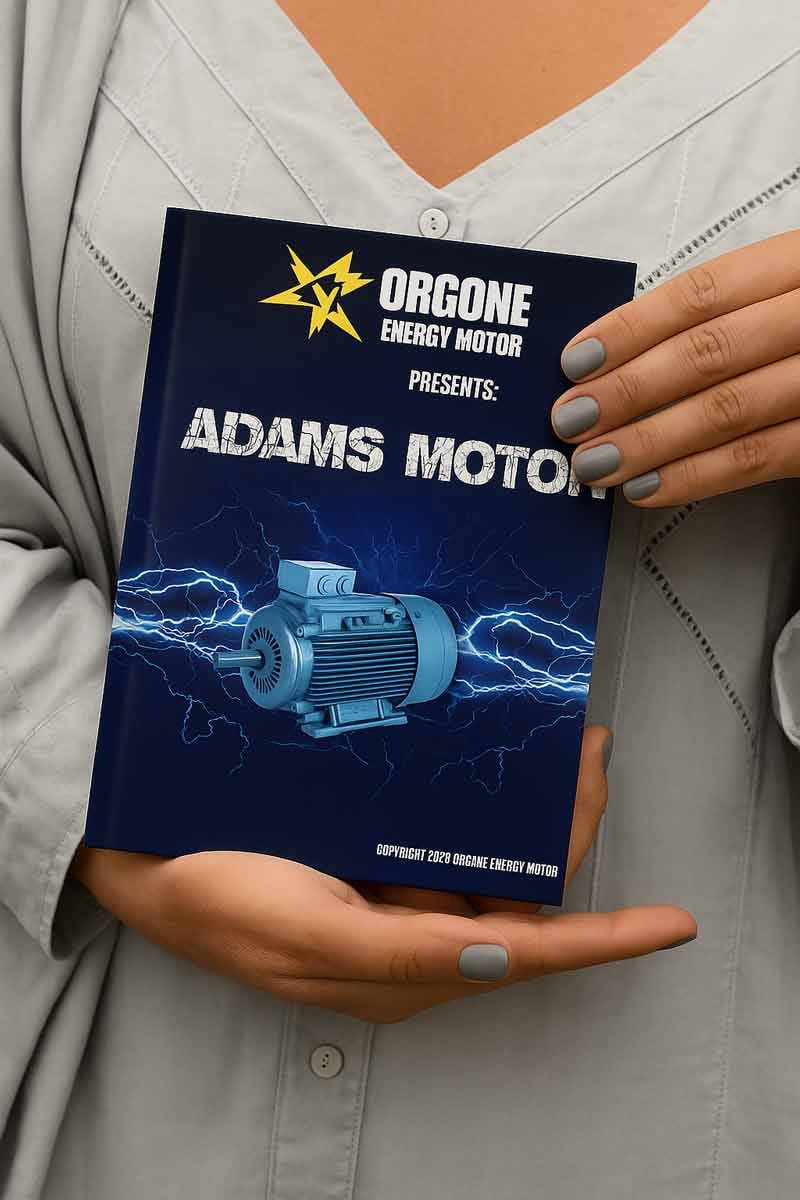
BONUS #3 – Adams Motor
In this bonus, you’ll learn how to construct the Adams Motor, a pulse-driven, low-voltage motor designed by Robert Adams. The guide explains how controlled pulses and magnetic timing create motion with very little input. It’s a great project for hobbyists interested in experimenting with motion, efficiency, and alternative motor designs.

100% Satisfaction 60-Day Money Back Guarantee
Orgone Motor includes a 60-day money-back guarantee, allowing you to try the program without pressure or risk. If you decide it’s not the right fit for you, a full refund is available within 60 days of purchase.
Requesting a refund is straightforward — you simply contact the support team by email, and the amount is returned without unnecessary questions or delays. This policy lets you explore the system at your own pace and evaluate its value with complete confidence.
Benefits of Orgone Energy Motor
- Hands-On DIY Experience: Build the device yourself and learn through direct, practical construction. Energy concepts become something you can see, touch, and test.
- Alternative Energy Exploration: Safely explore unconventional energy ideas without depending on grid power or solar panels. A thoughtful starting point for curious learners.
- Low-Cost Materials: Simple, affordable parts from hardware or electronics stores. Easy to source and friendly for first time builders.
- Self-Reliance: Develop an independent mindset and reduce reliance on complex utility systems. Encourages personal experimentation and problem solving.
- Beginner-Friendly Design: No advanced technical skills required. Clear instructions guide you through every stage of the build.
- Energy and Motion: Observe how magnets, coils, resonance, and mechanical motion interact in a real working setup.
- Creative Learning: Combines curiosity and hands on discovery in one engaging weekend project you can share with family or friends.
- Off-Grid Thinking: Encourages energy independence and preparedness without expensive infrastructure or professional installation.
- Safe Experimentation: Designed for indoor or workshop use with basic tools. Keeps the building process safe, controlled, and manageable.
- Curiosity and Innovation: Motivates you to explore new ideas and think beyond conventional approaches to home energy.
Pros and Cons of Orgone Energy Motor
Pros
- Simple DIY project that beginners can build without technical skills
Cons
Not recognized or validated by mainstream science
Results can vary based on environment and build accuracy
Not a guaranteed replacement for conventional electricity sources
How to Use Orgone Energy Motor
Review the Instructions First
Read through the blueprints and setup guide carefully before you start. Understanding the parts, layout, and assembly sequence saves time and prevents mistakes.
Gather All Required Materials
Collect every listed component from a local hardware or electronics store. Lay everything out on your workspace so nothing is missing mid build.
Assemble the Motor Step by Step
Follow the instructions in order to build the frame, place magnets, wind coils, and install moving parts. Take your time and check alignment at each stage.
Check Balance and Connections
Once assembled, confirm the rotor spins freely and all connections are secure. Small adjustments often improve smoothness and stability.
Test the Motor
Place the motor on a stable surface and observe any movement or vibration. Placement, spacing, and room conditions can all influence results.
Make Adjustments if Needed
Fine tune magnet positions, coil spacing, or frame alignment using the guide's troubleshooting tips for better performance.
Use for Experimentation and Learning
Treat the motor as a hands on learning tool. Observe behavior, try small variations, and note what changes with each adjustment.
Store and Maintain Safely
When not in use, keep the motor in a dry location and handle magnets and coils carefully to prevent damage or demagnetization.
Orgone Energy Motor Frequently Asked Questions
Most people haven’t heard of it or assume it’s too technical. Those who explore it usually treat it as a personal DIY experiment rather than something to publicly promote.
The build is beginner-friendly and does not require technical expertise. If you can follow basic instructions, you can assemble it.
Reading the guide takes less than an hour, and assembling the motor typically takes 1–2 hours.
Parts usually cost between $50 and $110, depending on the size and materials used.
Simply download the guide, gather the listed materials, and follow the step-by-step instructions to begin building.
Don't Wait Any Longer! Join Your Discounted Program Now!

Regular Price:$149
Today Only for: $49
“ What Happens After I Click The “Buy Now” Button?”

Click the "Buy Now" button to securely purchase Orgone Energy Motor™. Simply enter your details, and you'll gain instant access to the supplement.
How Safe Is My Credit Card Information on Your Website?
At Orgone Energy Motor, your security is our top priority. We use advanced security measures to safeguard your personal and credit card information.
We’ve partnered with Clickbank, a trusted leader in online payments. Known for its strict security protocols, Clickbank ensures that your purchase is secure, giving you complete peace of mind.
Remarks:
We are dedicated to providing high-quality products, which is why Orgone Energy Motor comes with a simple 60-day money-back guarantee. If you're not fully satisfied after giving it a fair try, you can receive a full refund within 60 day of purchase.
Your satisfaction is our utmost priority, and we truly hope that Orgone Energy Motor helps you reach your goals.